
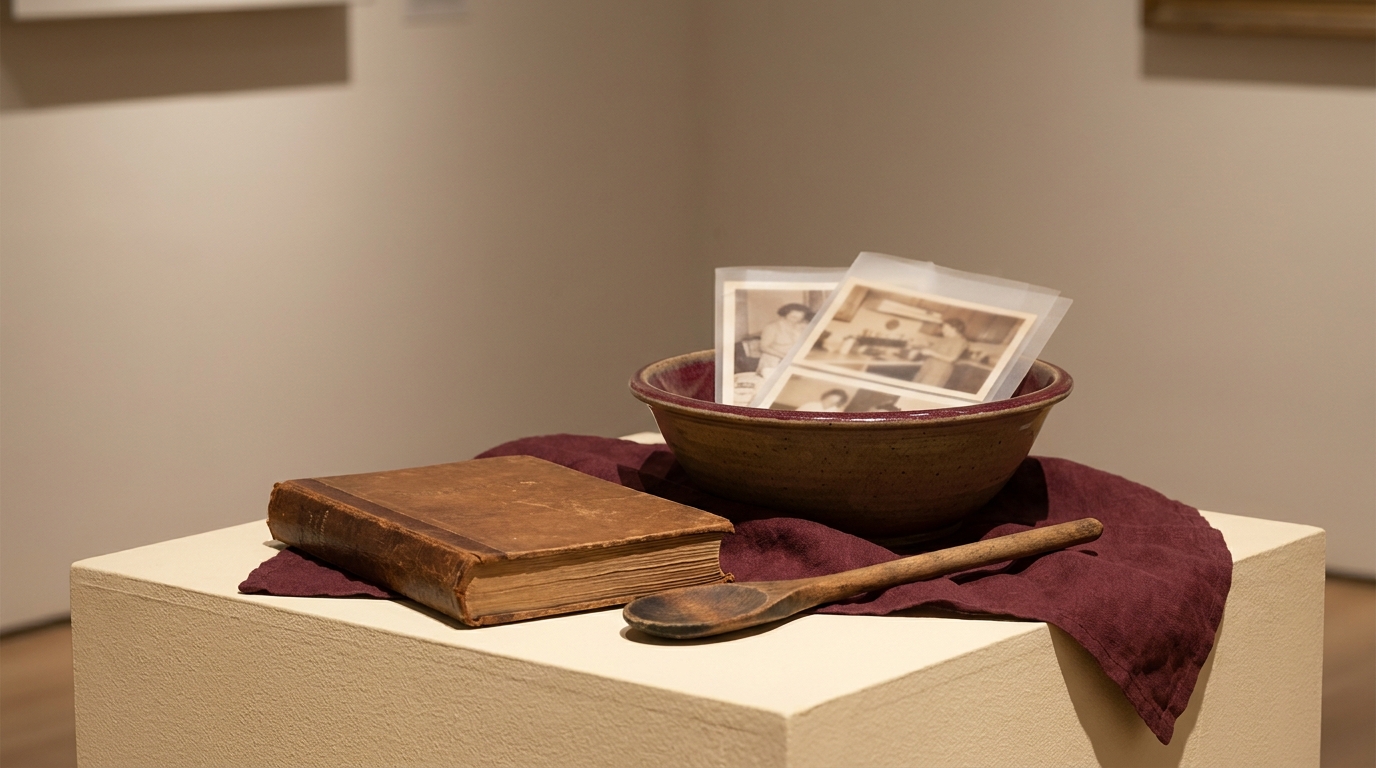
A family recipe can raise questions that an ingredient list cannot answer. Who taught the cook? Where did the dish travel? Why did preparing it become important to a particular household? The Food & Family exhibition at the Santa Monica History Museum approaches local history through these connections between cooking, migration, and memory.
Rather than presenting food simply as something to taste, the exhibition invites consideration of the people and relationships behind it. Its subject is the making of home, explored through everyday materials and the stories that give them meaning.
Inside the Food & Family Exhibition
The museum’s official exhibition description places Food & Family in the Quinn Gallery and identifies the Santa Monica History Museum and Quinn Research Center as its curators. It explores African American and intercultural food traditions, including the influence of the Great Migration and global immigration.
The museum lists the exhibition as running from January 28, 2026, with no closing date specified. Check that official listing before planning a visit, since an ongoing designation does not guarantee permanent availability.
According to the Quinn Research Center’s exhibition overview, the materials come from both organizations’ archives and include photographs, oral histories, cookbooks, utensils, and maps. Together, these sources connect intimate household experiences with broader community history.
The public descriptions identify these categories of material, not a complete inventory. A specific recipe, utensil, or family story should only be attributed to the display when its exhibition label or another reliable record supports that connection.
How Migration Changed the Meaning of Home
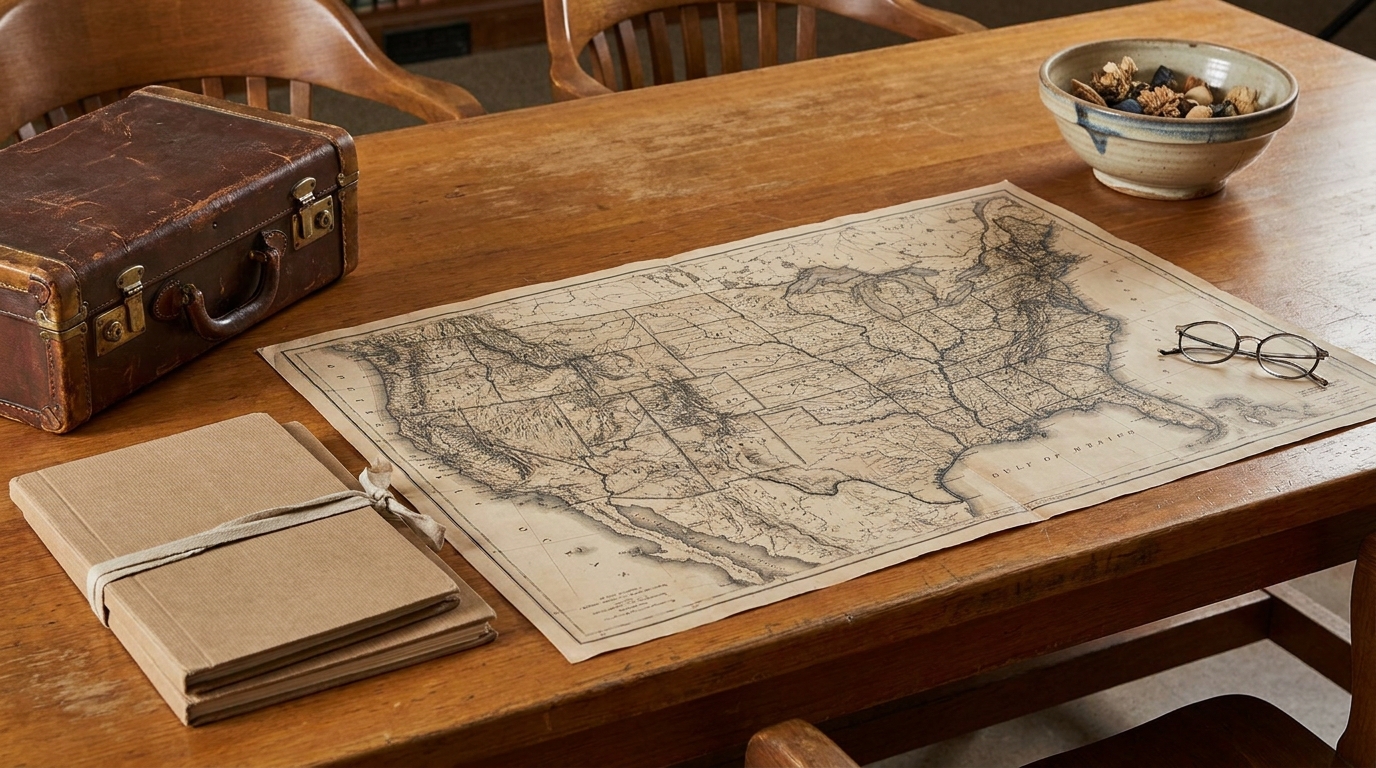
Migration is central to the exhibition’s interpretation of Santa Monica’s culinary traditions. For national context, the Smithsonian’s history of the Great Migration describes approximately six million African Americans leaving the South for northern, midwestern, and western states between 1910 and 1970.
The Smithsonian also explains that westward migration toward cities including Los Angeles became especially important during World War II. People sought employment, educational opportunities, improved living conditions, and fairer treatment while confronting discrimination in their new surroundings.
That context gives the exhibition’s focus on home additional weight. A meal can be considered alongside questions about relocation, opportunity, exclusion, and belonging, rather than treated as a timeless cultural symbol.
When examining a family recipe or recollection, ask what remained familiar after a move and what changed. Did the cook describe a different ingredient, shopping routine, or gathering place? These are questions to investigate through the records, not details to assume about every family.
Recipes and Utensils as Historical Evidence
A useful way to approach the exhibition’s cookbooks and utensils is to read them as evidence of decisions. A printed instruction offers one account of how a dish should be prepared. A documented alteration can open another discussion about how someone actually cooked it.
Look for Context, Not Just Ingredients
Consider a hypothetical cookbook with a handwritten substitution. Before deciding that the change reflects migration or financial pressure, ask who made the note and whether its date is known. It might instead record a preference, an experiment, or advice from another cook.
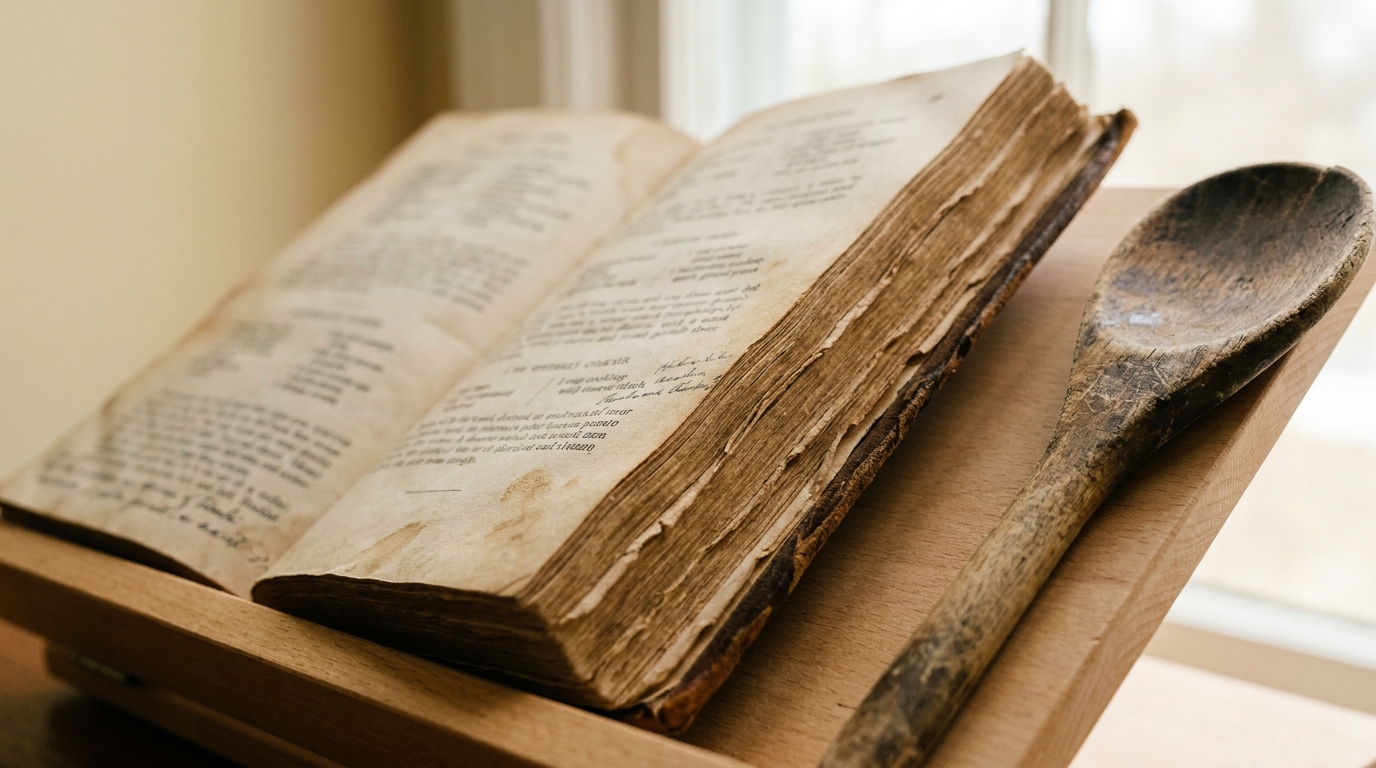
The same caution applies to a utensil. Its shape may suggest a function, but appearance alone cannot establish who owned it or which meals it helped prepare. A family account, photograph, or collection record could strengthen that connection.
These questions keep the people behind the objects in view without inventing their experiences. They also encourage attention to work: who planned a meal, found the ingredients, prepared the food, and cleaned afterward?
Photographs and Voices Behind the Meals
A photograph and an oral history offer different starting points for exploring a gathering. With a photograph, begin by noticing what is visible before interpreting the occasion. Are the people identified? Is the date recorded? Does the caption explain where the gathering took place?
An interview can supply another person’s perspective, but it should retain its own context. The Smithsonian Institution Archives’ oral history guide explains how planned, recorded interviews preserve personal recollections. It emphasizes preparation, respectful listening, open-ended questions, and permission to record.
Listen for What a Recipe Leaves Out
For a food-history conversation, try asking someone to describe a meal they remember preparing or sharing. Follow their account with questions about the people involved and how the occasion unfolded, rather than suggesting an answer about what the meal meant.
Then compare the account with any relevant photographs or documents. Keep a remembered detail distinct from something independently confirmed. A thoughtful interpretation can acknowledge both the value of a person’s memory and the limits of the available evidence.

A Conversation Beyond the Gallery
The exhibition’s themes also appeared in museum programming. The museum documents At the Table: Exploring Food, Family, and Our Shared Histories as a July 18, 2026, event presented alongside Food & Family.
The program brought African American and Mexican American perspectives into conversation through presenters Kathleen Benjamin and Daniel Alonzo. The museum describes storytelling, images, and a tasting as elements of the program and provides an event-highlights section.
This connection offers another way to think about exhibition interpretation: an object or image can begin a discussion that continues through personal testimony. Different speakers need not attach identical meanings to a meal for their experiences to illuminate one another.
The July program is a past event, not an upcoming invitation. Its documentation is useful as context for the exhibition rather than as a promise of a tasting during an ordinary museum visit.
Looking at Family Food History Differently
Bring one question to the Food & Family exhibition instead of trying to absorb every theme at once. You might investigate how a source establishes a person’s identity, how a recipe connects two generations, or what evidence supports a connection between food and migration.
Record the object title, credited collection, and relevant label details whenever permitted. Separate what the source states from your interpretation, and note questions that remain unanswered. This makes later reading more purposeful.
The exhibition offers a reason to take ordinary materials seriously. A cookbook or utensil does not need to be luxurious to prompt a worthwhile historical question. Examined alongside photographs and personal accounts, it can become a starting point for understanding how people sustained relationships and made a place feel like home.
This article is an independent interpretation of publicly documented exhibition information. It is not affiliated with or published by the Santa Monica History Museum.