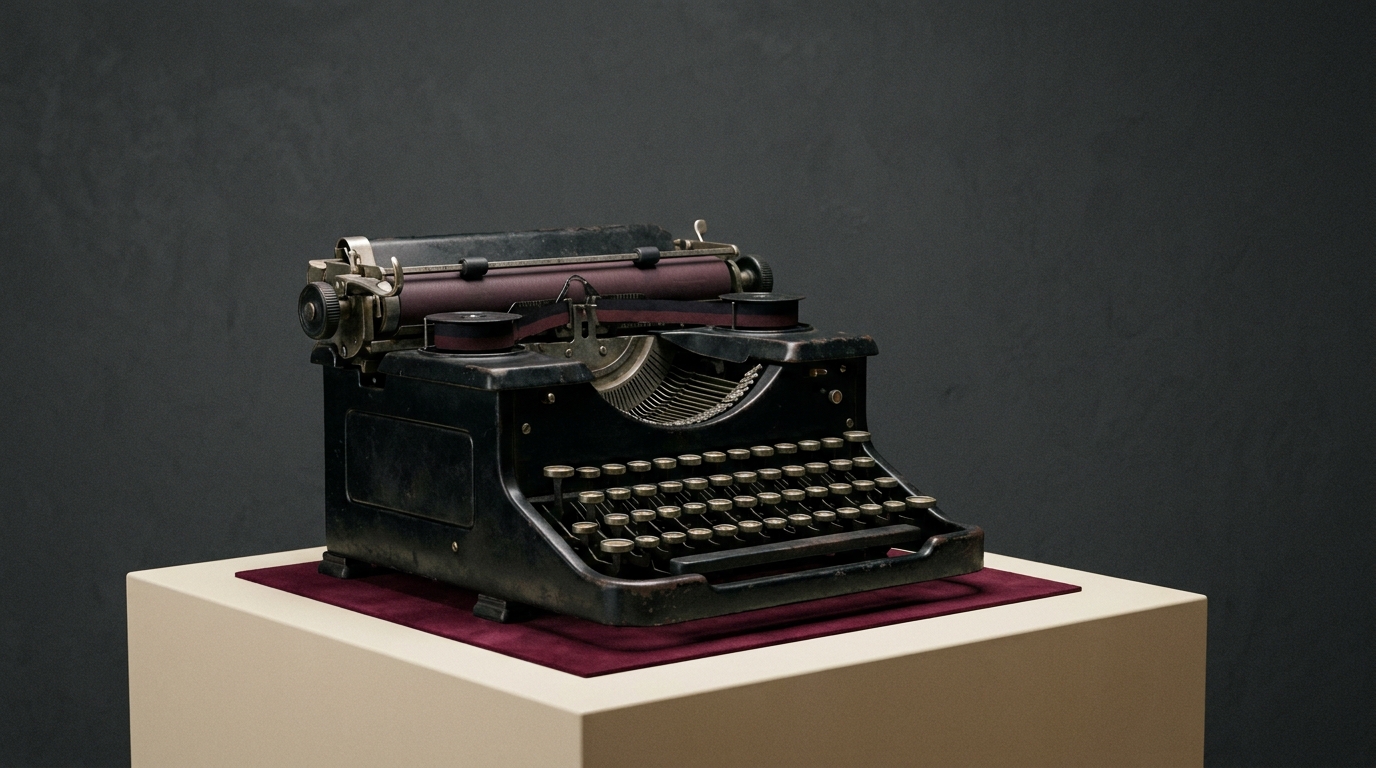
A newspaper records events, but the tools behind it can reveal another kind of history: the work involved in turning information into a story. The Corona typewriter featured in the Santa Monica History Museum’s Outlook Collection offers a starting point for exploring that relationship.
The museum identifies the object in its collections spotlight. Its association with the Outlook Collection connects an everyday writing tool to the study of local journalism. Rather than treating it simply as an attractive antique, we can ask how objects, photographs, and newspapers help us understand the making of Santa Monica’s historical record.
What Is Known About the Corona Typewriter?
The museum’s public caption identifies a Corona typewriter in the Outlook Collection, but gives no manufacturing year, model number, or named user. Assigning it to a particular journalist or published article would require additional documentation.
This distinction separates a verified collection attribution from an imagined biography. An acquisition record, dated photograph, or documented account might help answer the remaining questions. Until then, uncertainty is part of the object’s story rather than a gap to fill with speculation.
How Typewriters Help Us Think About Newspaper Work
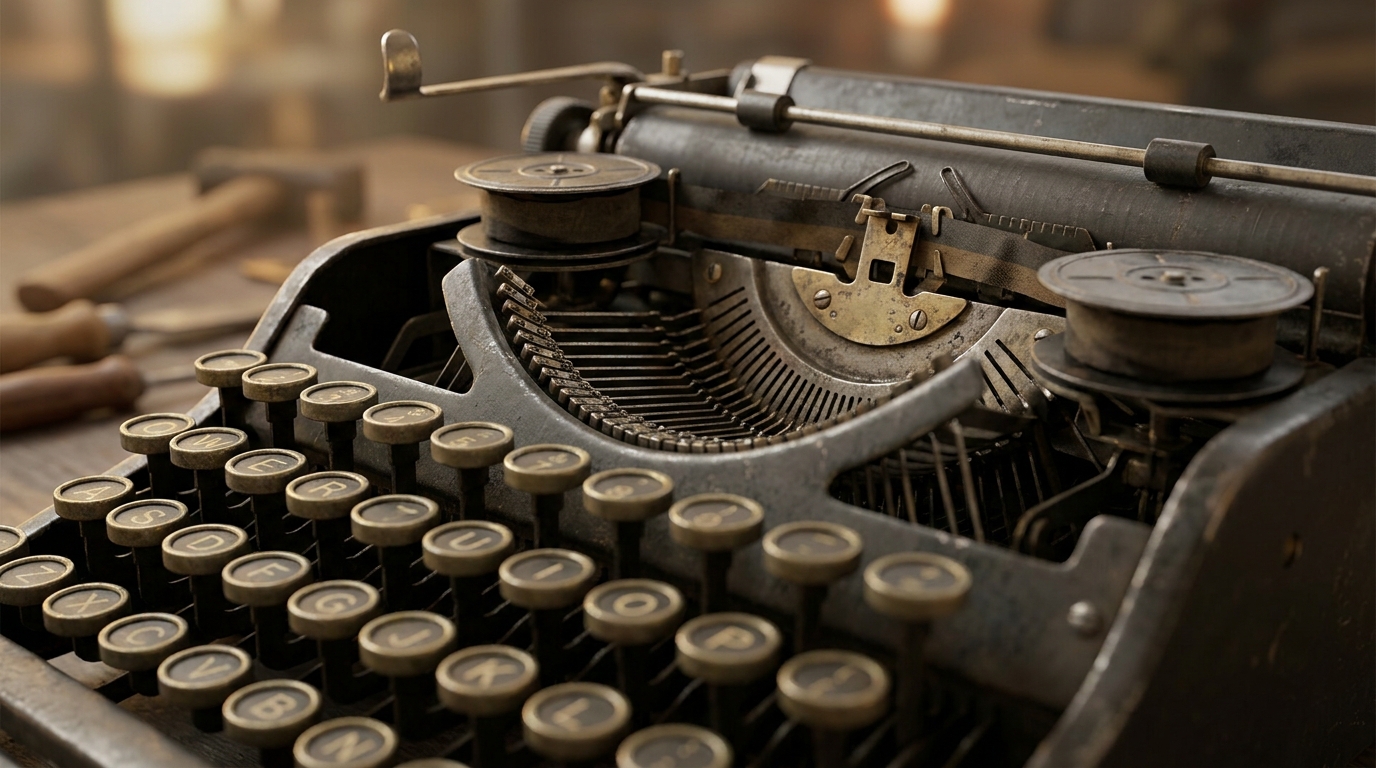
A manual typewriter makes writing visibly physical. Its keys, paper carriage, and moving components invite comparisons with a computer keyboard. Where does the paper go? How does the writer move to another line? What happens when a sentence needs substantial revision?
The Library of Congress’s newspaper journalism resources place writing within a broader production history that also includes photography, illustration, and mechanical typesetting. A typewriter belongs to that larger discussion, but it should not be confused with the machinery that composed and printed newspaper pages. Looking at these different tools together helps distinguish preparing written copy from producing the finished publication.
A Comparison From the Smithsonian
The Smithsonian’s Corona No. 3 typewriter record provides useful context. It describes a folding design whose carriage and paper roller could fold over the keyboard, making the machine compact and portable.
The Smithsonian dates production of the Corona Three model from 1912 to 1941. A production range covers many individual machines, so even identifying a model would not, by itself, establish an object’s exact manufacturing date.
This is a separate Smithsonian object, not an identification of the Santa Monica museum’s typewriter. The comparison illustrates how a design feature can suggest questions about working habits without proving how a particular machine was used.
For readers, the important distinction is between a tool’s capabilities and its documented history. Portability might make travel possible, for example, but it does not establish that a specific typewriter accompanied a reporter on an assignment.
Reading the Outlook as a Community Record
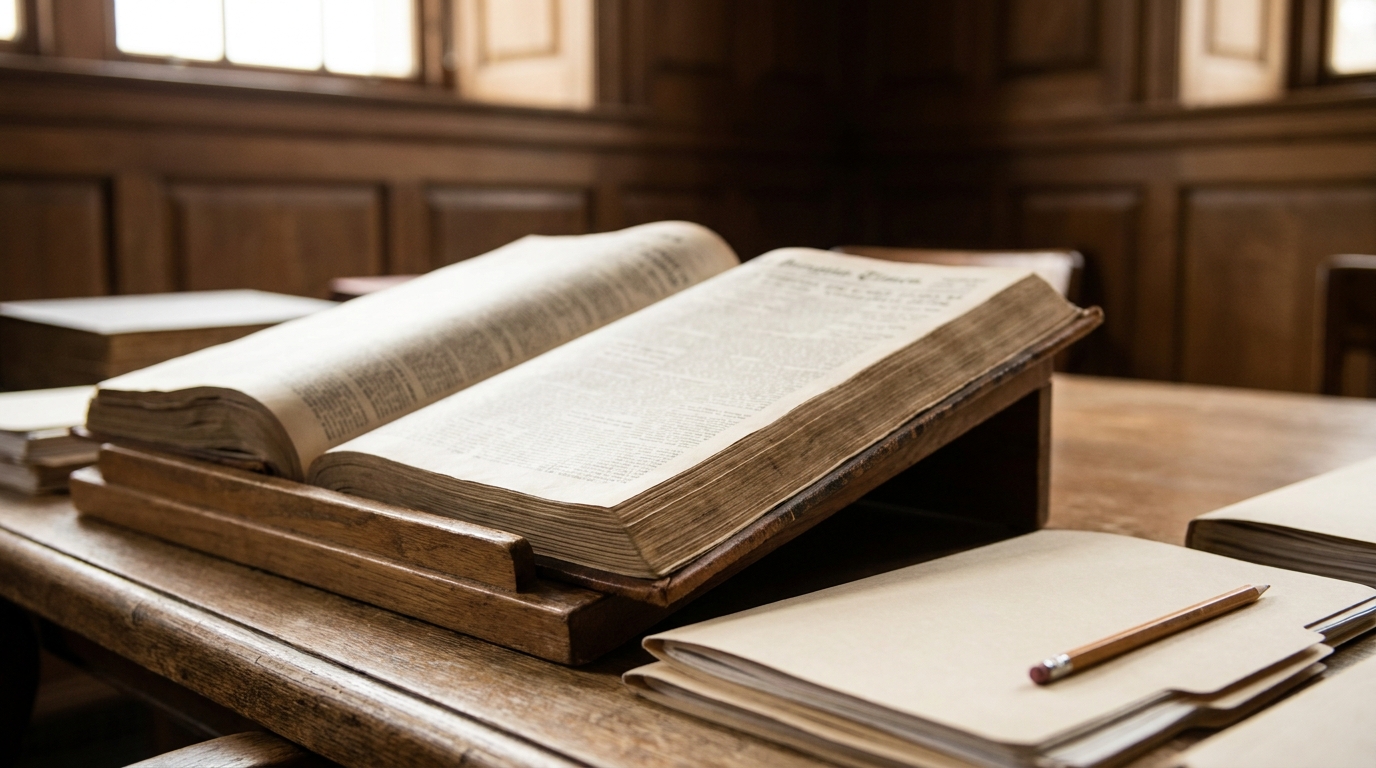
The Outlook connection moves the discussion beyond machinery. A useful companion to studying the typewriter is reading a historical newspaper issue and noticing the different kinds of information assembled on its pages.
The Santa Monica Public Library describes the Outlook as a newspaper of record that covered the city from 1875 until publication ended in 1998. Its digitized Outlook newspaper collection provides searchable early editions. That long history offers context for the collection, but it does not establish when the museum’s typewriter was manufactured or used.
The Santa Monica Public Library’s research and local history resources provide access points to newspapers, historical photographs, maps, and other records. These library resources are separate from the museum’s collections, but they offer complementary ways to investigate local history.
Look Beyond the Largest Headline
Choose an issue or clipping and examine its surroundings. Compare the space given to public affairs, advertisements, entertainment, and personal announcements. Which subjects dominate? Which people appear by name? What would a reader learn about everyday priorities from the arrangement alone?
These are research questions, not assumptions about every edition. They encourage a closer reading of whatever material you actually find. Record the publication date and page number so that your observations remain connected to a specific source.
Connecting Newspaper Objects With Historical Photographs
The museum’s historical photograph collections include Outlook-related material and the archives of photographers Bill Beebe and Bob Smith. Such collections offer another route into the people, places, and work surrounding local news.
A productive exercise is to compare a dated photograph with newspaper coverage of the same subject, when matching records are available. Does the caption agree with the article? Does the image reveal a detail that the text overlooks? Are you comparing the same occasion, or two events that merely look similar?
The typewriter adds a third perspective: the material tools associated with producing written information. The photograph supplies visual evidence, while the published page shows how information was presented to readers. A connection among them should be demonstrated rather than assumed.
This approach also gives quieter details room to matter. A background building or street sign might become a research lead, provided another reliable record can confirm its identity.
Using the Research Library to Build Context
The museum’s Morley Builders Research Library lists bound Outlook editions, telephone directories, school yearbooks, maps, and other historical materials. These resources can help move an investigation from a single object toward a better-supported account of its surroundings.
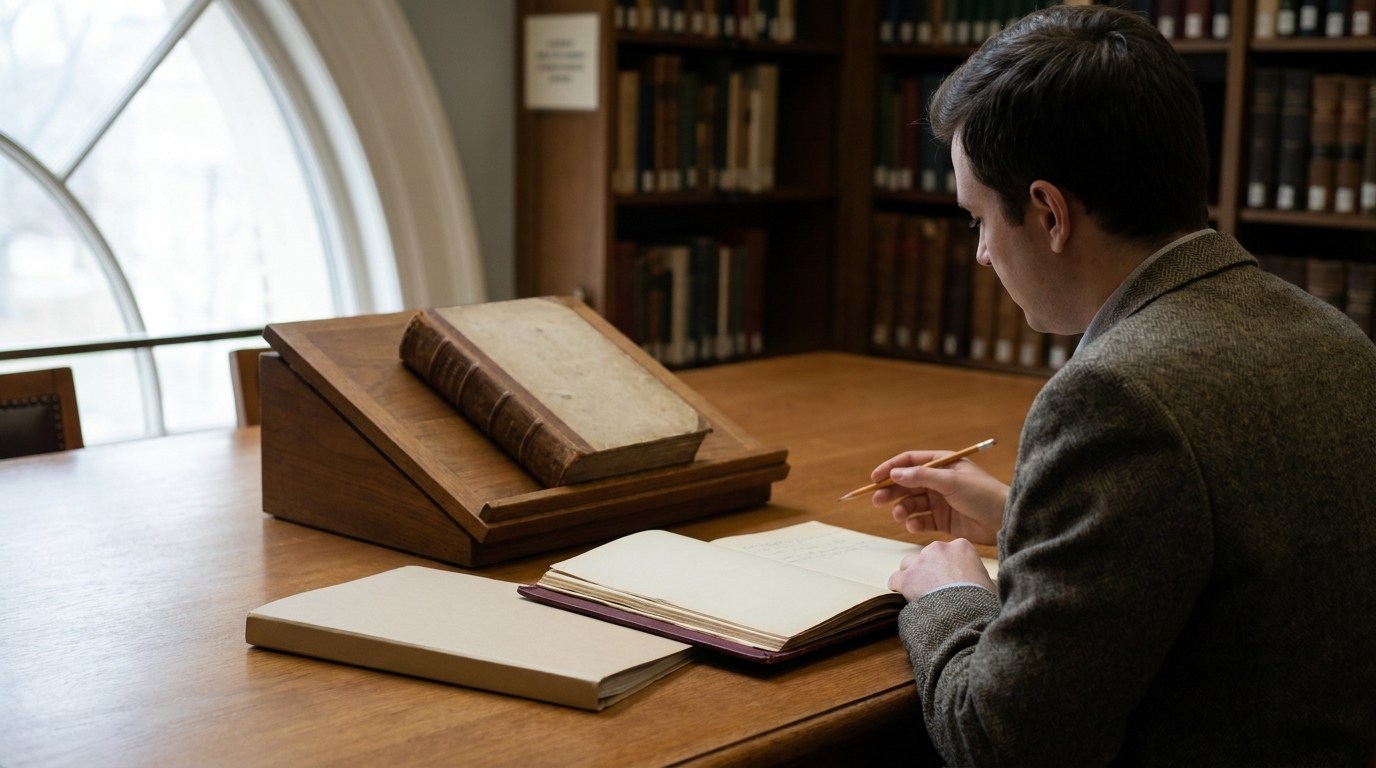
Suppose you find a business name in an old newspaper. You could look for that name in a directory, compare an address with a historical map, and check whether a photograph shows the location. Each comparison tests a connection; none should be treated as confirmation before the records agree.
Start with one manageable question and keep notes on where each answer came from. Separating confirmed details from unresolved possibilities makes the eventual story easier for another reader to follow and check.
Record unsuccessful searches as well as discoveries. A brief note about an index, date range, or spelling already checked can prevent repetition when you return to the project later.
What One Museum Object Can Teach Us
The Library of Congress’s guidance on primary sources encourages close observation, questions about context, and comparison with other evidence. That approach suits an object whose public description leaves room for further investigation.
Applied here, the lesson is straightforward: begin with what is documented, distinguish observation from interpretation, and resist filling gaps with an appealing story. A typewriter does not need a famous owner to prompt worthwhile questions about writing, information, and community memory.
The Corona typewriter is an invitation to look more carefully at the relationship between museum objects and historical records. Exploring that relationship can turn a brief collection caption into a thoughtful encounter with the work of understanding the past.
This article is published by an independent museum journal and is not affiliated with or operated by the Santa Monica History Museum.